
New Orleans Lookup Record Coverage
No master roll names every New Orleans resident in one place. Each record a custodian keeps answers a narrower question, and access rules differ from office to office. A sound resident lookup stays tied to the fact a source can actually support, instead of stretching a match past what the record proves.
| Record | What It Confirms | Where | Access |
|---|---|---|---|
| Property assessment | Owner, situs, mailing address, tax bill, GeoPIN | Orleans Parish Assessor | Free public display; owner may not live there |
| Voter registration | Registration and visible address or status fields | Louisiana Voter Portal | Public fields only under R.S. 18:154 |
| Court docket | Party, case number, events, and visible outcome details | Orleans court portals | Some free indexes; files and copies vary |
| Vital index | Name, event date or place, and some family links | LDH and State Archives | Closed periods and eligible-copy rules |
| Succession | Heirs, representative, property, distribution | Civil District Court Clerk | Index, clerk request, office, or paid images |
| Business or license | Officer, agent, trade, credential, or business address | SOS CORA and board portals | Free index; affiliation is not residence |
| Obituary or directory | Family, old address, work, church, or burial lead | NOPL and local archives | Card, microfilm, appointment, or online index |
Let the known fact pick the first source. A street address leads to the Assessor. It also leads to the voter address form. A birth month, birth year, and ZIP code can open the voter name form. A case number belongs with its matching court. A historical name fits best on the archive shelf first.
Define the New Orleans Resident
New Orleans grew from French, Spanish, Caribbean, Creole, Irish, German, Italian, Jewish, Latin American, Asian, and African American communities. Same-name errors come easily in a city like that. Spellings drift. Initials, translated names, nicknames, and parish labels can shift too. Build a short identity sheet before any lookup. List exact and alternate names, an approximate age, a spouse or parent, a known street, the parish, a business or trade where a source lists it, and a realistic date window for the person.
Never force a loose match. A tax owner may be a trust or a company. A registered agent is tied to an entity, not proof of residence at its address. A city directory may fold work and home into one line. Treat these gaps as clues to compare rather than flaws to smooth away.
Identity check. Require two independent records to agree on more than a common name before accepting a New Orleans match.
New Orleans Voter Lookup Fields
The Louisiana Voter Portal offers separate paths by voter, by address, and by parish. The name route asks for more than a surname. That helps separate two people who share one. The address route works one address at a time. It does not return a ZIP-wide household list. A no-record answer can mean several things. It may signal a wrong field, a changed registration, a protected record, or no registration at all.
| Search Route | Fields | Use | Limit |
|---|---|---|---|
| By voter | First name, last name, ZIP, birth month/year | Test one known person | Exact inputs matter |
| By address | ZIP, address, apartment or lot | Check the entered address | Address records are separated from voter records |
| By parish | Parish selection and portal controls | Route a broader Orleans search | Not a public household census |
Open the official voter search by address to see the form a New Orleans resident lookup relies on. It shows the address fields in their own context.
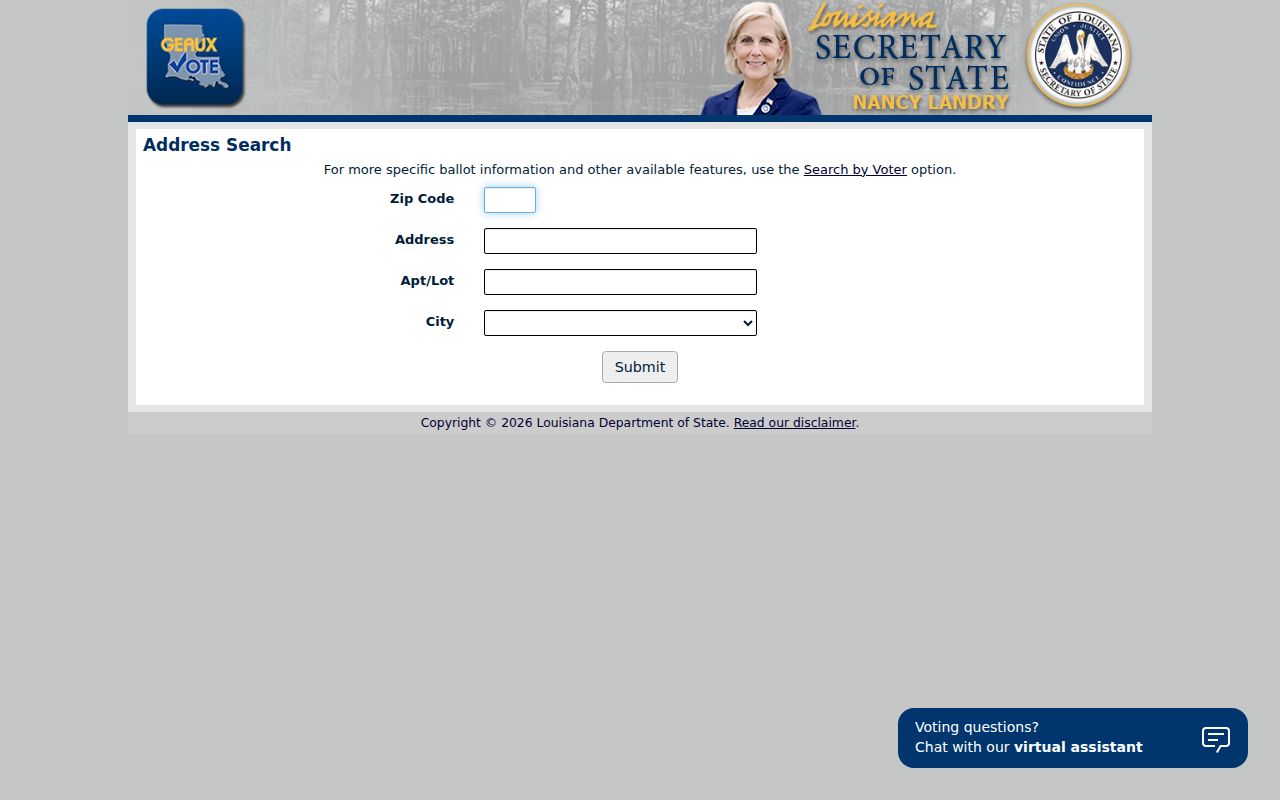
The address form shows why a ZIP code and any apartment or lot detail belong in the saved search record. Small fields carry real weight here. Open the voter search by parish when Orleans Parish is the sound starting filter.
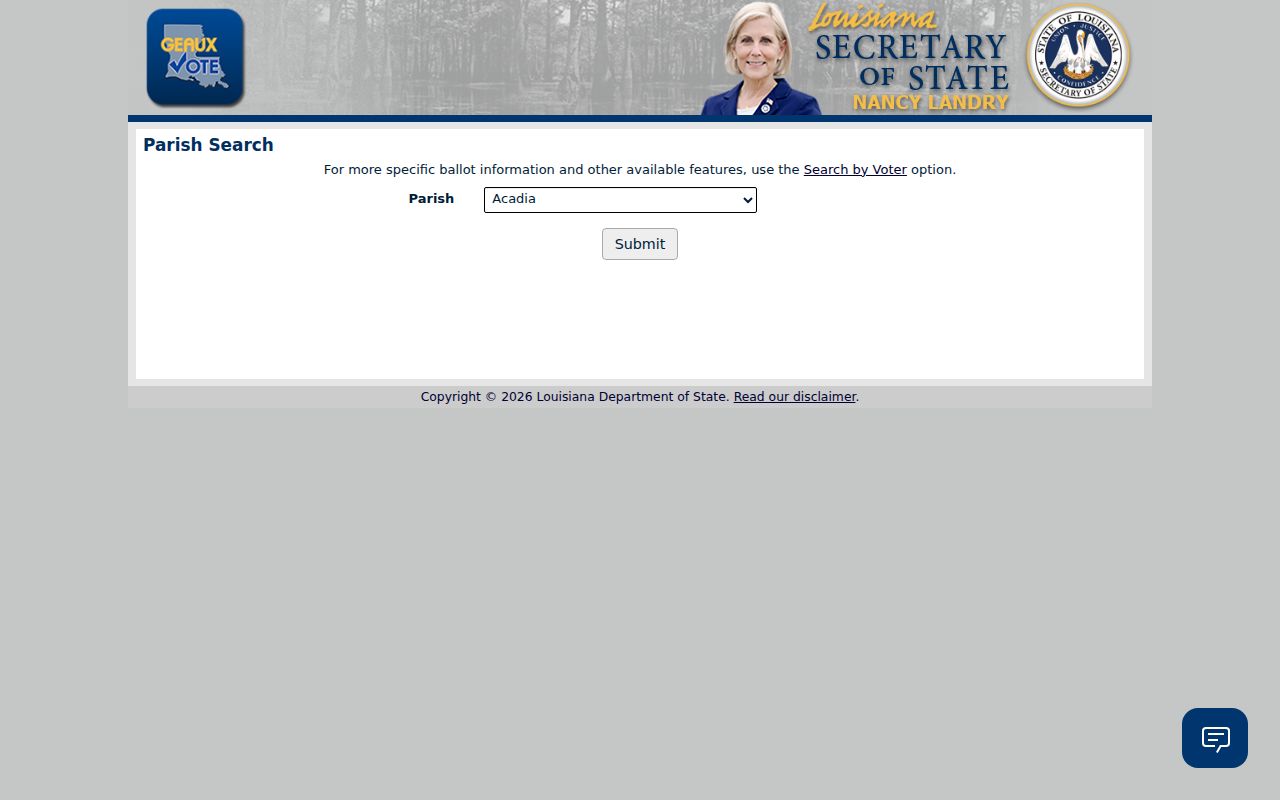
The parish screen is a routing aid. It is not proof that every person with a New Orleans postal address sits inside Orleans Parish. Treat it as a filter, not a boundary finding.
The public side withholds Social Security numbers, full birth dates, and driver's-license numbers. It also withholds email addresses, protected military or overseas data, and confidentiality-program addresses. Respect the portal's separation of public and private fields, and note its 20-minute session timeout.
Verify New Orleans Resident Records
Verification means moving from a broad name match. The goal is a source anchored by a stable number or date. Preserve a GeoPIN, an instrument number, a docket number, a credential number, or an event date. Keep it whenever one appears. That number lets the records office pull the same record again later. It also keeps two different residents from being merged into one.
- Anchor the name to a known address through the voter form or Assessor, noting situs and mailing addresses separately.
- Preserve the parcel GeoPIN or tax-bill number, then search the Civil Clerk by party and date when ownership matters.
- Search the correct court by name variant, case number, and date of birth where offered.
- Compare one independent vital index, obituary, license, entity filing, or directory entry for a second shared fact.
- Request the exact file or certified copy from its custodian when the decision needs more than an index.
A directory hit and a tax owner can disagree without either being wrong. The residents directory reports who lived or worked at an address for a given edition. The property roll reports ownership and mailing data. Keep each statement narrow.
- Docket
- The court's running list of filings, hearings, minutes, and actions in a case.
- Index versus image
- An index points to a record; an image reproduces a filed page and may require separate access.
- Certified copy
- A custodian-issued copy formally attested as a true copy of the held record.
Confirm New Orleans Court Names
Orleans courts share no single complete name index. The Municipal and Traffic Court search accepts a case number, last name, first name, and date of birth. It warns that cases filed before 2002 require contact with the court. Civil parties, successions, land acts, and judgments run through the Civil Clerk. Criminal Clerk Connect allows defendant-name or case-number searching. It adds optional date of birth and date ranges. Federal cases sit in PACER.
| Case number | The strongest route when already known. |
|---|---|
| Party or defendant | Name as entered by the court, including variants. |
| Case type | Helps route municipal, traffic, criminal, civil, or federal research. |
| Minutes and events | A procedural trail, not the complete file. |
| Disposition | The visible outcome, which must be read instead of inferred from a charge. |
Juvenile, expunged, sealed, adoption, and protected civil records may be absent or heavily redacted. A missing docket proves nothing. It cannot support a claim that no event ever occurred. When Clerk Connect lacks the needed page, the Criminal Clerk request form permits a certified package, a whole-file view, a copy, or another defined request using the case name, number, date of birth, judge, and section.
New Orleans Public Safety Lookups
Custody and registry records serve one narrow public-safety purpose. They are not broad resident lists. A match deserves the same identity care as a court docket. The Orleans roster states plainly that it is not an official public document. It also restricts copying or misuse. Check Louisiana DPS&C inmate information for the statewide custody and community-supervision route.
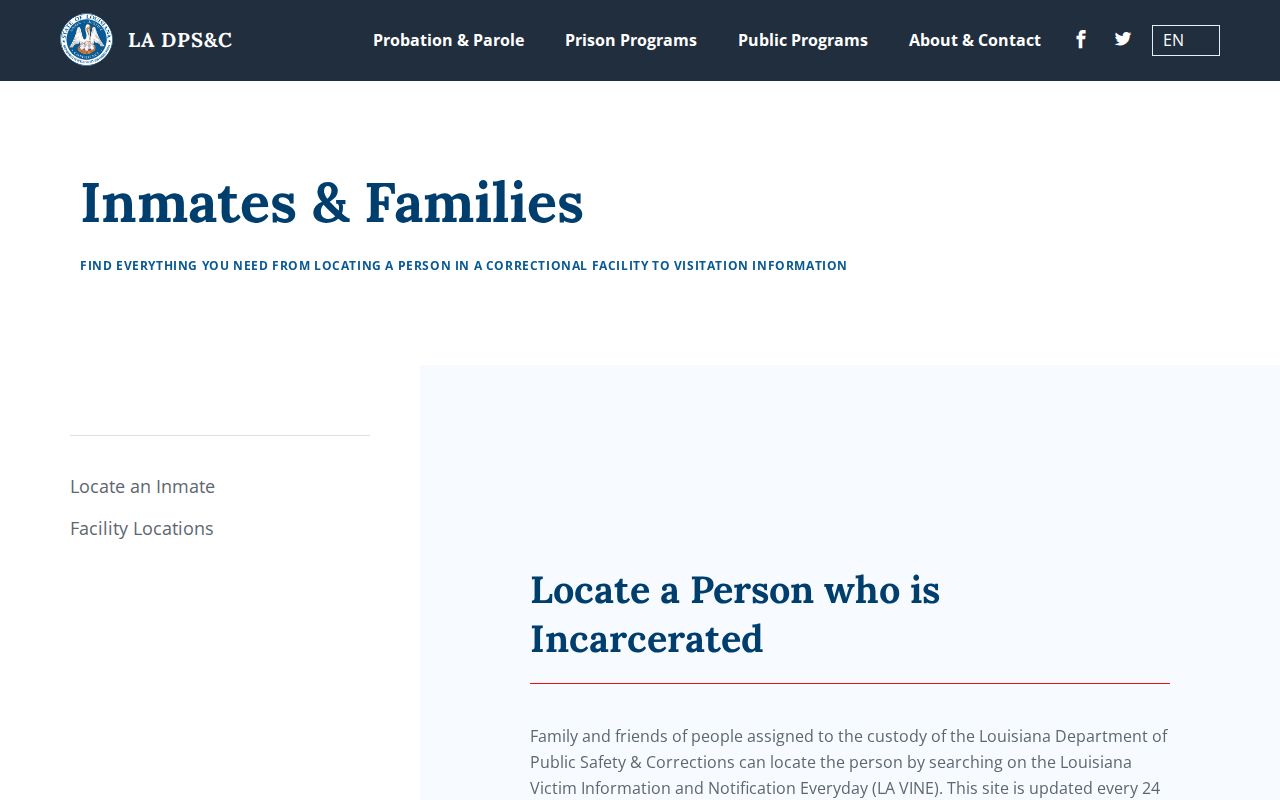
The state source supports name, ID or case-number, and location searches. It notes that data refresh about every 24 hours. Use the Federal Bureau of Prisons locator when the record points to federal custody.
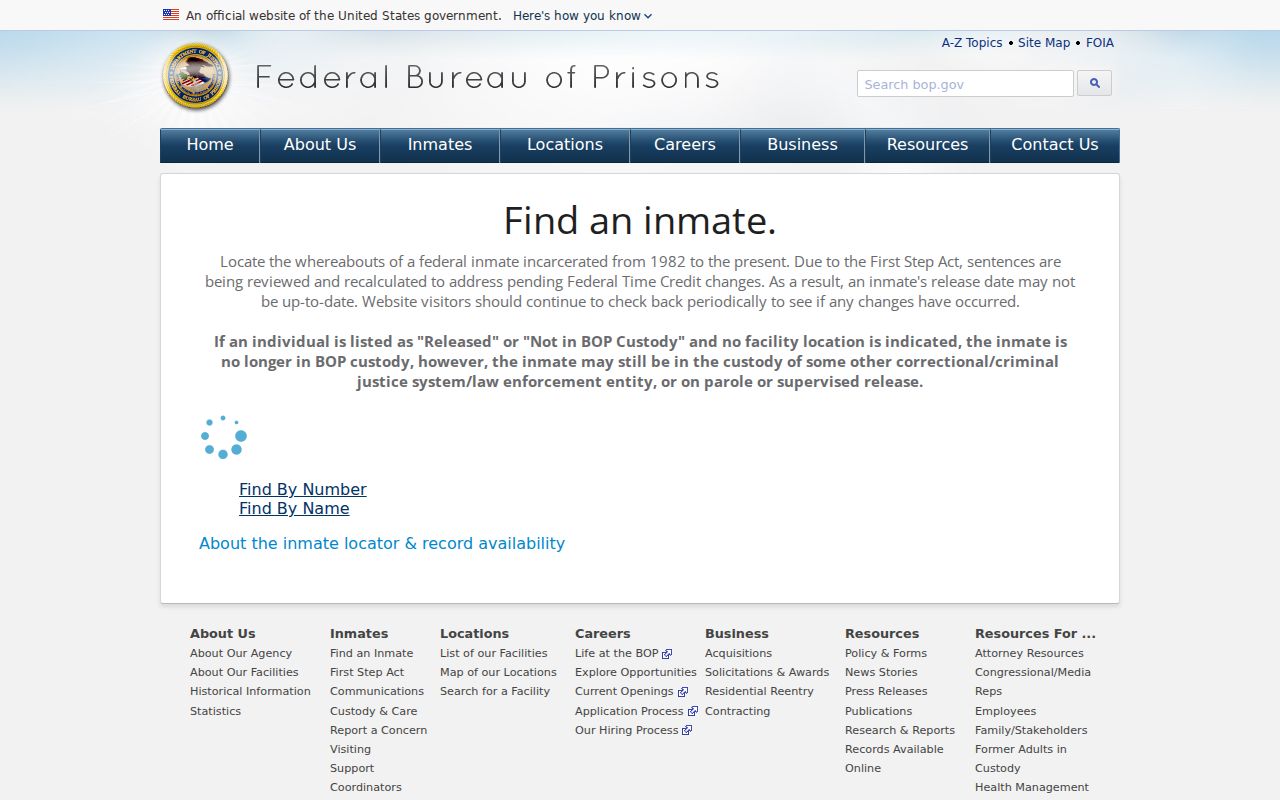
The federal screen stands apart from Orleans and Louisiana systems. Record its register number and the source date. Read the Louisiana State Police registry conditions before using its public-safety search.
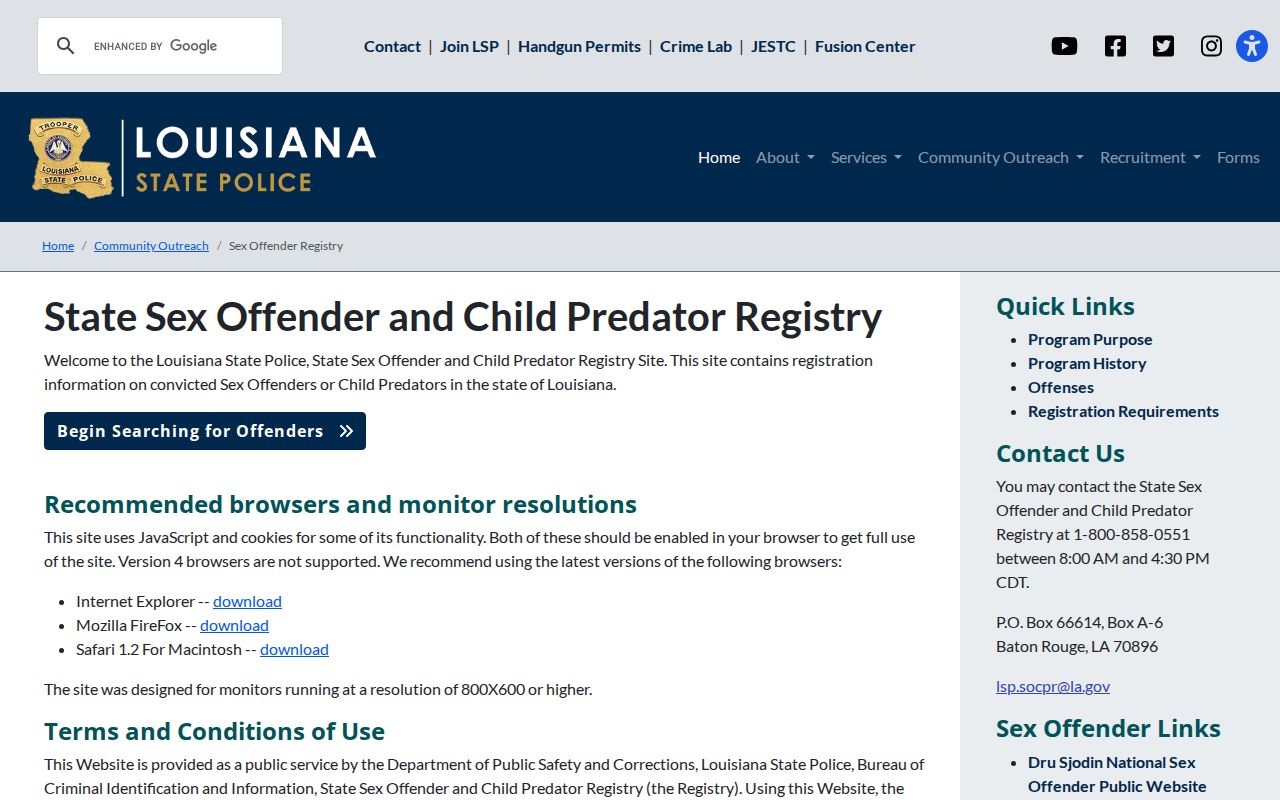
The registry carries accuracy and anti-harassment terms. Confirm identity with the listed custodian, and never use a result to threaten or contact a person.
New Orleans Vital and Family Trails
The Louisiana Department of Health keeps current state birth and death records. It also holds Orleans Parish marriage certificates. Under R.S. 40:41, birth records stay closed for 100 years and death records for 50. Relatives and authorized representatives must show identification to get copies of confidential files. Records that age past those windows pass to the State Archives under R.S. 40:73, where public search becomes possible.
Heir research works best in stages. Start with a death index or an obituary. Then pull the Civil District Court succession filed under the decedent. The judgment of possession, inventory, petition, or notice sits inside that file. It can name heirs and property alike. Treat any address in a filing carefully, since each document carries its own date. For adoption connections, LDH runs an official Adoption Reunion Registry at 800-259-2456. Confidential adoption records are never an open-search shortcut.
New Orleans obituaries are indexed from 1804 through 1972. On NewsBank, the Times-Picayune runs from 1837 onward, plus several predecessor papers. A civil index can run thin. Cemetery and church records can then fill gaps with kin, witnesses, and parish ties.
Check New Orleans Public Affiliations
A resident lookup grows stronger with a second identity fact, and affiliations supply them. The SOS CORA search takes an entity name. It also accepts a charter or trade number, or an officer and agent name. Results list status, addresses, filing dates, and named roles. For licensed fields, the Louisiana licenses directory points to the right board. It covers physicians, nurses, contractors, attorneys, real estate professionals, and teachers.
Record what you find. Note the board, credential number, status, business address, and the date of the search. Affiliation records show roles, not homes. A business address is not a residence. City permits add another dated thread. One Stop covers permits, licenses, projects, violations, and work orders from 2007 forward. Searches run by person, business, address, or reference number. You can also search Louisiana's official unclaimed-property records by name, city, or ZIP code.
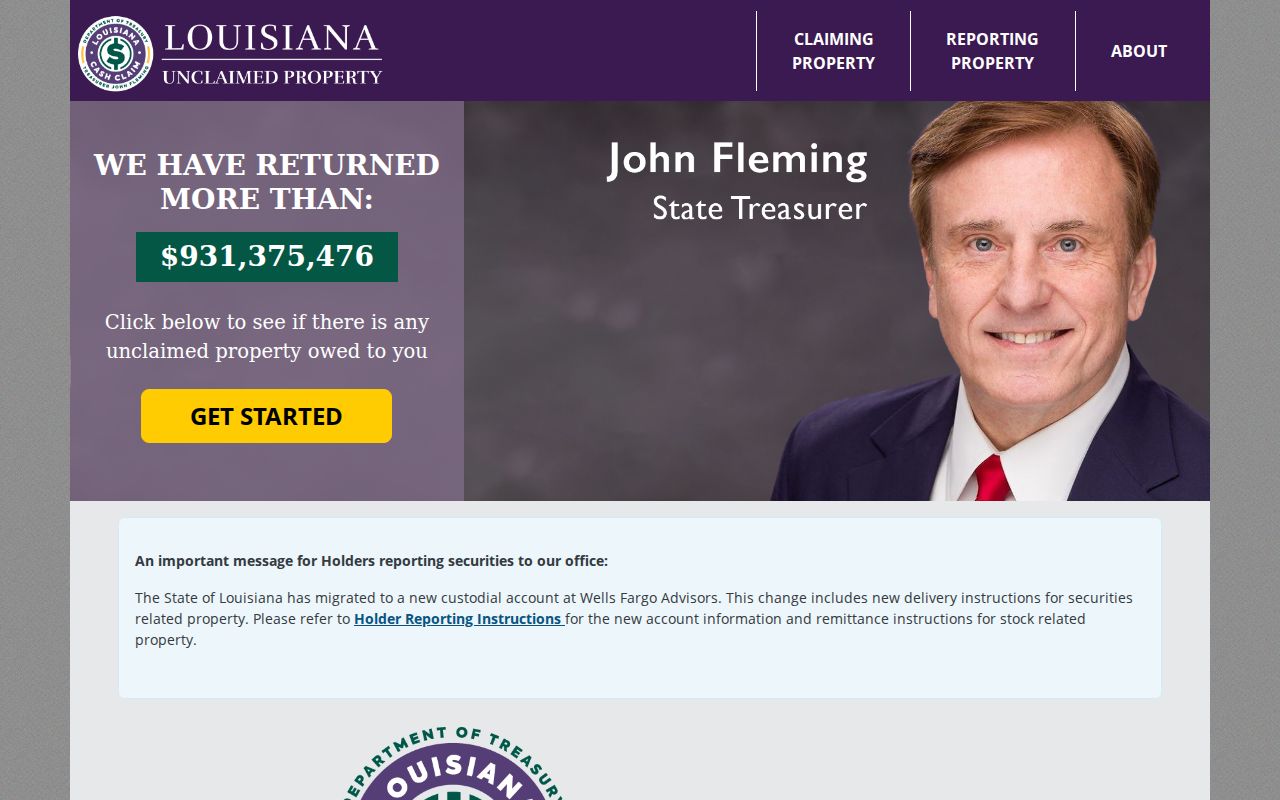
An unclaimed-property hit can hint at an old identity or place. But the claimant must prove entitlement. And a claim record proves nothing about where someone lives now.
When New Orleans Lookup Portals Stop
A stalled portal is rarely a dead end. The Louisiana Public Records Law, La. R.S. 44:1 et seq., lets any requester go straight to a custodian. Bring a narrow written ask. Name the record, the custodian, the date range, and any parcel or case number. Ask for electronic delivery when it exists. R.S. 44:32 covers inspection, copying, reasonable fees, and custodian duties; R.S. 44:35 provides a remedy after a denial or a missed written determination.
Offline fallbacks follow a chain. Try the office terminal, then a custodian request, then library microfilm, then the archives. Civil and land indexes cut off at different years online. Older volumes may sit with the Land Records office. NOPL and the City Archives hold directories, newspapers, cemetery film, and genealogy indexes. State agencies route records through their own custodians.
Custody itself can shift. A 2025 report described city staff combing a landfill for discarded Orleans criminal-court records. So save every result's date, URL, case or instrument number, and custodian contact. A portal migration or a lost file can change what appears online later.
New Orleans Resident Lookup Limits
Louisiana privacy rules differ by record type. The Address Confidentiality Program gives eligible survivors of abuse, sexual assault, or stalking a substitute address, and R.S. 44:51-57 shields the participant's name and physical address. Respect that line. The federal Driver's Privacy Protection Act restricts motor-vehicle addresses. Vital, juvenile, sealed, and expunged records each carry their own access rules, none of them a puzzle to solve.
Commercial people-search sites deserve skepticism. Their compilations go stale, merge strangers with similar names, and recycle old addresses. Removing a private profile leaves the government record untouched. Verify each fact with its primary custodian, and ask the office that created the record when it needs correcting.
Lawful personal use. Never use a New Orleans resident lookup to stalk, harass, threaten, expose, or harm a person.
Louisiana R.S. 14:40.2 and 14:40.3 outlaw stalking and cyberstalking. Public access is not consent to contact or publish. A redaction, a protected address, and an empty result are boundaries to respect.